| |
|
|
|
|
|
|
The Gazette Summer Edition! |
|
|
|
Curated by Young Voices of Arabia |
|
|
|
|
|
|
|
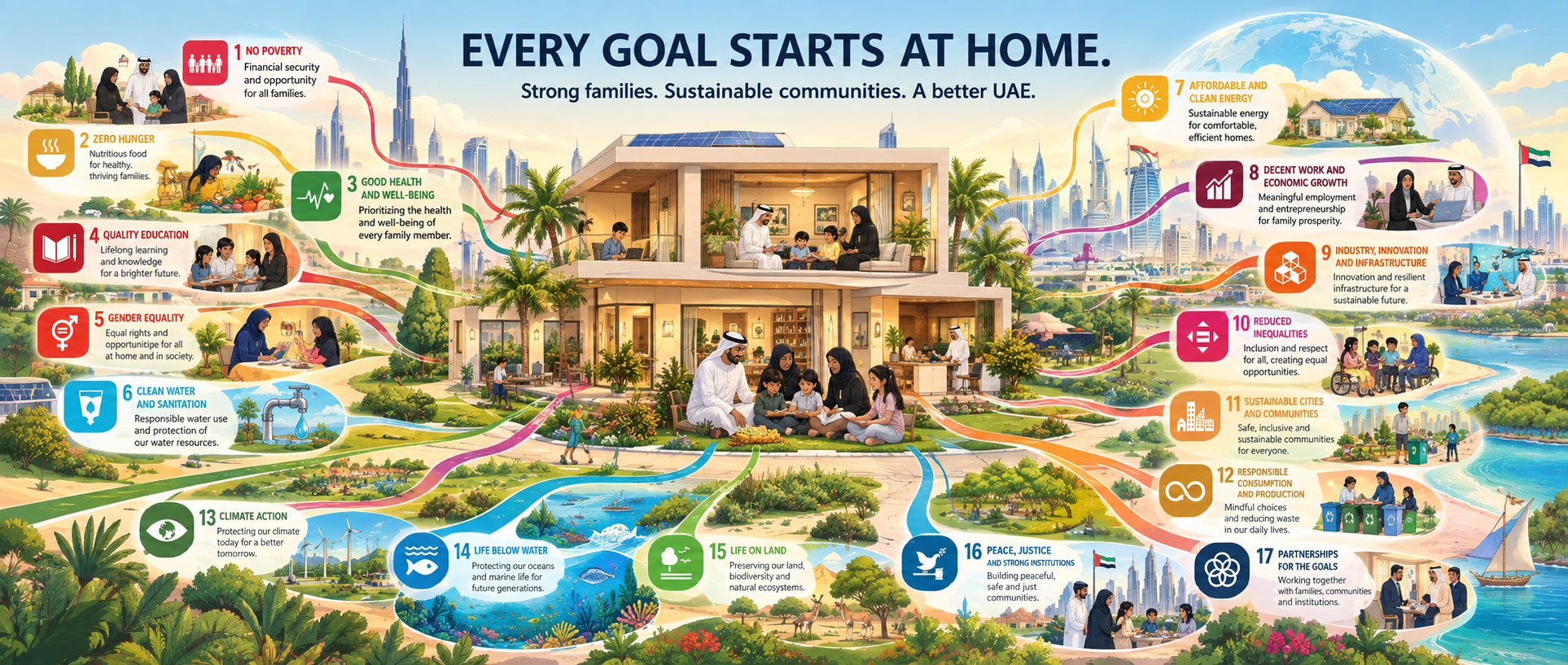
Connecting the Sustainable Development Goals to the Year of Family (2026), symbolising the connection of the SDGs and the community. - Mohammed Hamdan Siddiqui | Design Lead |
|
|
|
|
|
From the Editor's Desk
Mir Faraz Editor-In-Chief |
|
Dearest
Readers,
Welcome
back to another edition of The Gazette by Young Voices of Arabia! As a new
academic year begins, we are delighted to return with another collection of
stories, ideas, reflections, and creativity from our young voices. The new
academic year always feels like a fresh beginning – a time to set new goals,
embrace new opportunities, and look forward to everything the year ahead may
bring. For us at The Gazette, it is also a chance to continue learning,
growing, and finding new ways to use our voices to inspire positive change.
This
edition is particularly special because it is our Summer Edition – an in-house
issue featuring content exclusively curated by our very own Gazette team. This
issue showcases to the fullest the writing, artwork, ideas, and creativity of
our own child authors. It is a testament to what can happen when young people
are trusted to create, lead, and share their perspectives.
The summer
may have been a time for holidays, rest, and family, but for our team, it was
also filled with ideas, discussions, deadlines, and plenty of creativity! Every
contribution to this issue represents the enthusiasm and effort of a young
person who chose to spend part of their summer creating something meaningful.
We are incredibly proud of the teamwork, imagination, and commitment that have
gone into bringing these pages together.
At the
heart of everything we do is the belief that young people have the power to
make a difference today. Through stories, poems, articles, artwork, and
thoughtful ideas, The Gazette provides a space where young voices can be heard
on issues that matter – from sustainability and climate action to equality,
kindness, and our shared responsibility towards the world around us. We hope
this edition reminds you that meaningful change can begin with something as
simple as an idea, a conversation, or a few words on a page.
We would
also like to express our sincere gratitude to Her Highness Sheikha Hissa bint
Hamdan bin Rashid Al Maktoum for providing young voices such as ours with this
amazing platform to amplify our voices and ideas. Moreover, huge thanks to Mr.
Hagop, Director of the Young Voices of Arabia project, and Ms. Marwa, Arabic
Project Administrator, for their continued support and encouragement. Their guidance
and belief in the vision of Young Voices of Arabia help give us the confidence
to keep developing this platform and creating opportunities for young people to
express themselves.
Our
heartfelt thanks also go to everyone behind the scenes who continues to make
The Gazette possible. To our child authors, editors, team heads, designers, and
every member of our growing Gazette family: thank you for your enthusiasm, your
ideas, and your willingness to give your time and talents to this project. Each
edition is a team effort, and every contribution matters.
As you
explore this issue, we hope you discover something that makes you smile,
something that makes you think, and perhaps something that inspires you to
raise your own voice. Whether you are beginning a new school year, returning to
familiar routines, or setting out to achieve new goals, remember that every new
beginning carries the possibility of creating something wonderful.
Here’s to
a new academic year filled with curiosity, courage, creativity, and positive
change.
Happy
reading!
Best
regards,
Mir Faraz
Editor-in-Chief
|
|
|
|
The SDGs of this edition! |
|
|
|
|
|
|
|
THE SDG WEDDING CAKE
Saira Thomas Assistant Editor
|
|
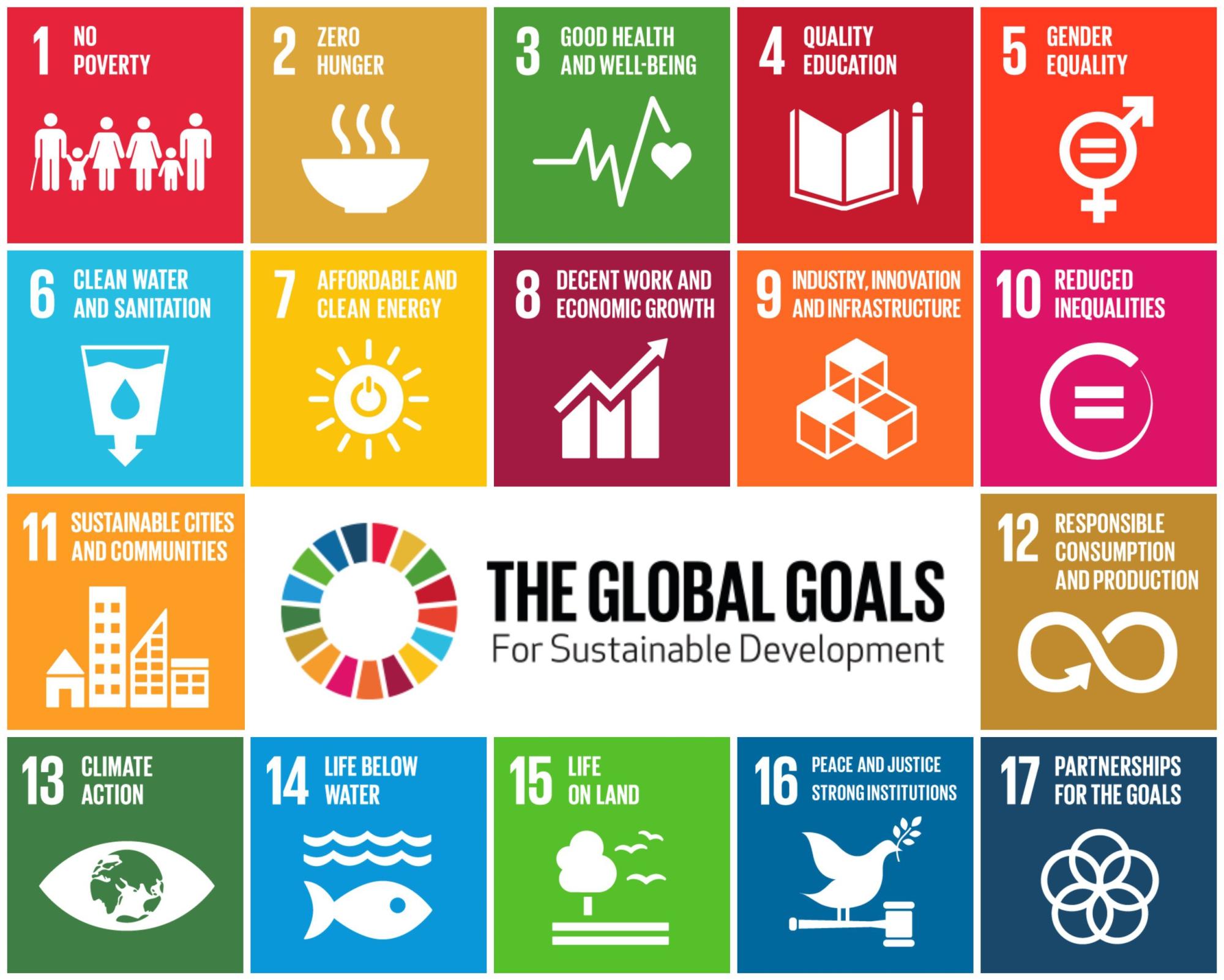
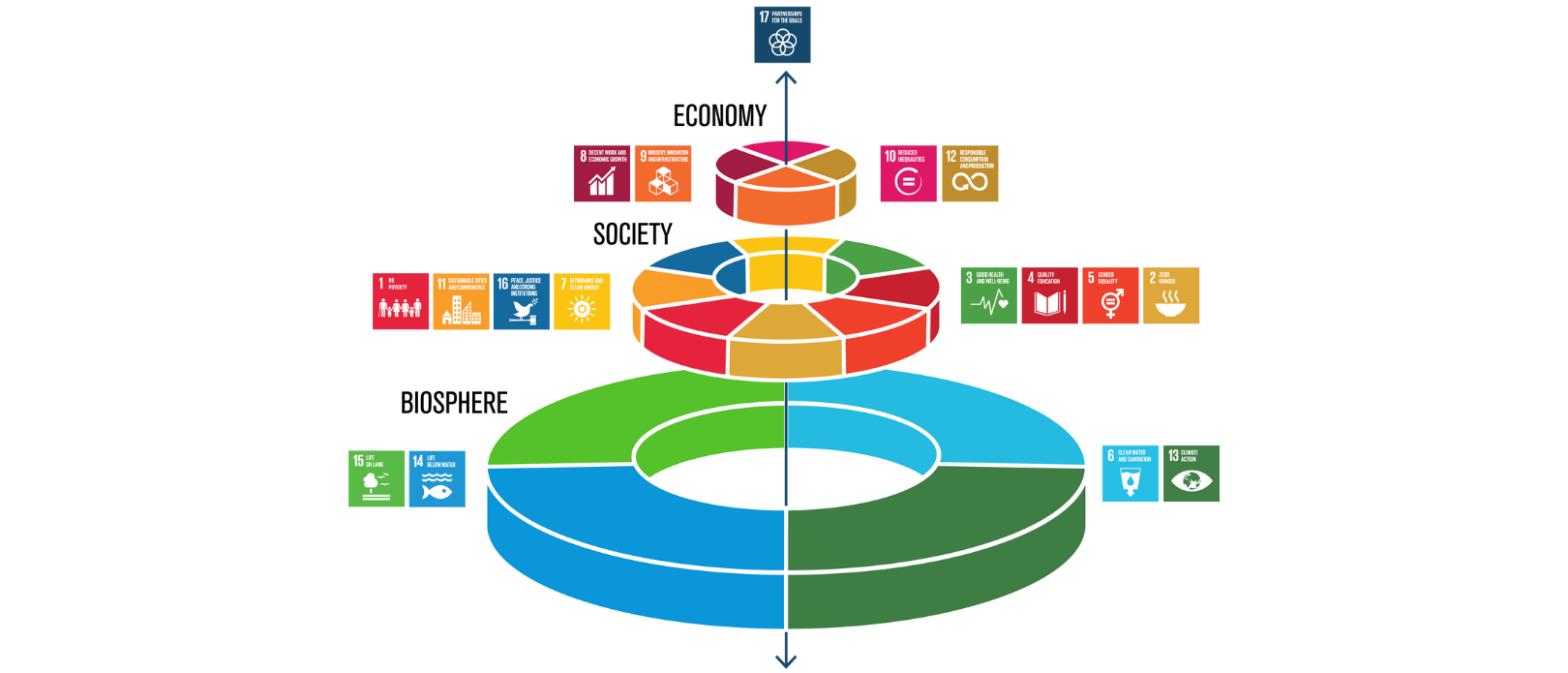
The UN SDG Calendar for 2026 has marked July as an All Goals month. This occasion
gives The Gazette the unique opportunity to celebrate all 17 Sustainable Development
Goals (SDGs) in our Summer Edition. The 17 SDGs are not isolated targets; instead,
they form an interconnected framework that can be divided into three crucial elements:
environmental protection, social inclusion, and economic growth. This connection can
be best explained using the SDG Wedding Cake Model developed by Johan Rockström
and Pavan Sukhdev at the Stockholm Resilience Centre.
TIER 1 – BIOSPHERE The biosphere is the bottom tier or the foundation of all human progress because,
without a healthy environment, life itself cannot exist. Goals that ensure clean water
(SDG 6), tackle climate change (SDG 13) and protect life underwater and on land
(SDGs 14 & 15) guide us in this most important task. These goals directly secure
resources like clean water, fertile soil, and fresh air that humanity requires to survive
and build communities.
TIER 2 – SOCIETY The next step is building a healthy society that is inclusive and safe for all. It starts with
eradicating poverty and hunger (SDGs 1 & 2), ensuring a healthy and educated society
(SDGs 3 & 4) where there are equal opportunities regardless of gender (SDG 5). It aims
for a society built on clean energy and sustainable communities (SDGs 7 & 11) and
where peace and justice prevail (SDG 16). Progress in these SDGs ensures that
individuals are healthy, educated, safe, and treated equally. Such a society is a
prerequisite for a productive workforce and a sustainable economy.
TIER 3 – ECONOMY This final tier utilises environmental resources and societal talent to generate
sustainable wealth and infrastructure. Abundant natural resources and healthy,
educated individuals ensure decent work (SDG 8) and growth in industry and
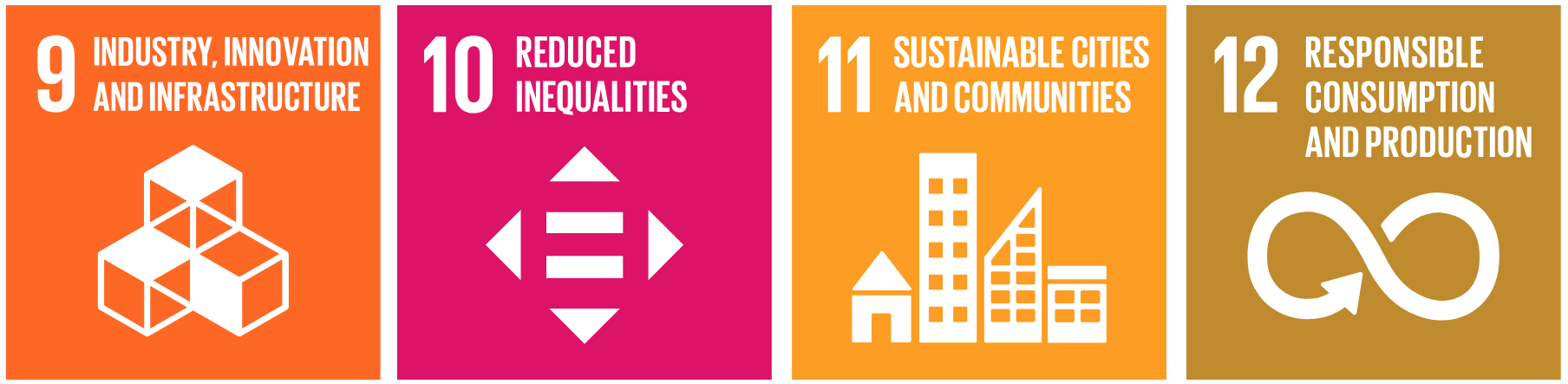
infrastructure (SDG 9). By lowering income inequality (SDG 10) and practicing
responsible consumption (SDG 12), a society can ensure sustainable economic
progress. Ultimately, a sustainable economy can, in turn, fund societal cornerstones like
public healthcare and educational systems as well as green technologies to protect the
environment.
THE ICING – PARTNERSHIPS Partnerships for the Goals (SDG 17) can be described as the binding force that holds
together all three tiers. It calls for individuals, businesses, and nations to work together
as a team to attain sustainable development that meets the needs of the present
without compromising the ability of future generations to meet their own needs. The
Gazette's bilingual coverage accepts this challenge, shaping these complex global
frameworks into clear, actionable insights. |
|
|
|
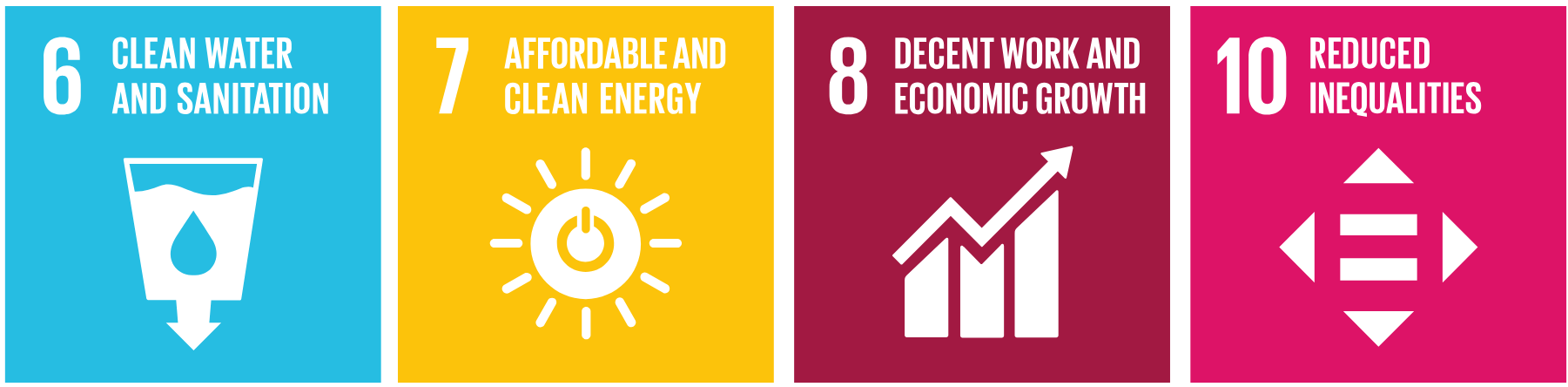
SDG 10: Reduced Inequalities, our goal for the month of August, primarily focuses on
eliminating gaps in wealth, power, and opportunities within and between nations. It aims
to empower ethnic minorities, indigenous groups, low-income earners, migrants, and
developing nations. Extreme inequality results in poverty, hunger, and the collapse of
healthcare and education, which in turn affects society and environment. Therefore,
SDG 10 is the crucial systemic lynchpin that ensures the equitable distribution of
economic and social progress, thereby securing the protection of our environment.
Scroll down to explore the combined efforts of The Gazette’s Editing, Design, Media,
Research, and Arabic teams as they bring to life all SDGs from 1-17 through a series of
engaging and informative pieces.
Saira Thomas
|
|
|
|
|
|
|
|
SUMMER OF CHANGE - GOALS ON THE GO!
|
|
|
|
|
|
Welcome to our second Summer Edition of the Gazette! In this newsletter, you can read and learn all about the 17 SDGs.
During the summer break while all schools were closed, the Gazette team curated pieces relating to all the SDGs.
We hope you enjoy this edition as it has a little bit of everything.
- Mohammed Hamdan Siddiqui | Design Lead
|
|
|
|
|
|
|
|
|
|
|
|
|
|
|
|
The Empty Seat by Advika Gupta |
|
|
|
Every Monday, there was one empty seat in our classroom. Not because the student was absent.
Because he couldn't afford the bus.
At first, nobody noticed.
Then one morning, Ms. Hana announced our class trip to the Science Museum.
“Twenty-five coins,” she said. “Bring your permission slip by Thursday.”
Everyone started talking at once.
Everyone except Adam.
He quietly folded his permission slip and put it inside his notebook.
I didn't think much of it.
Until Thursday.
“Adam, aren't you coming?” I asked.
He shrugged. “Already seen it.” “You haven't.” “I have.” “You literally haven't.” He smiled. “Well, now I have.”
The next morning, his seat was empty.
So was the one beside it.
And the one behind it.
Three students were missing.
At lunch, I asked Ms. Hana why.
She looked at me for a moment. “Sometimes,” she said, “people need help before they are ready to ask for it.”
That afternoon, our class started a strange little project.
No posters.
No speeches.
Just a box near the library.
On it, someone had written:
FOR THE THINGS THAT SHOULDN'T STOP A CHILD FROM SHOWING UP.
Students put in what they could: five coins, ten, twenty. Someone donated an unused
backpack. Someone else brought new notebooks. The school counsellor quietly added a list of
free programmes and support services.
By Monday, the box was full.
Adam's seat was still empty.
Then, just before the bell, the classroom door opened.
Adam stood there, holding a permission slip.
He looked at the box.
Then at us.
Then he smiled.
“Apparently,” he said, “I was wrong about the museum.”
The bell rang.
And for the first time all year, every seat was taken.
But taped underneath the box was a note none of us had seen before:
“There are 14 more students waiting."
|
|
|
|
Heirs Of Hope by Inayah Fathima Faeez
|
|
|
|
The low hum of the surveillance aircraft overhead punctuated the heavy silence as we sat on
rickety folding chairs outside the little red tent. After three days, Hana had finally stopped
crying at my sight and pulling away. Now, we sat looking at each other. She was scrawny, her
limbs spindly from starvation. My heart broke for her as the wind whistled through the camp.
I had been teaching her to string letters into words, and now she responded to my questions,
albeit with effort. I always loved seeing that spark light up young faces. “Can I tell you a story?” I asked. She nodded tentatively. “The nights had been freezing. The girl was one of the newer ones, living in constant fear of
warplanes and hunger. She barely ate or smiled. One cold night, she heard a new volunteer
doctor had arrived to heal the injured. Enamoured by doctors, the girl snuck out to the white
tent where the woman worked. Peeking through the folds, she watched her sorting bandages. The doctor noticed her and asked with a warm smile, ‘Why don’t you come in?’ The girl felt seen and sat beside her. As the doctor worked, she asked, ‘What do you want to
be when you grow up?’ ‘I want to be like you,’ the girl said. ‘I want to help people feel better.’ The doctor chuckled, showing her instruments and explaining what it meant to care for
others. Then, one night, the camp caught fire. The doctor scooped the girl into her arms, burned and
terrified. The girl woke days later in the doctor’s house, left with no home and a paralyzed
arm. Yet, the doctor stood by her with patience and love. The next summer, she brought books and
taught her the alphabet, numbers, and art. The girl was a fast learner. The doctor even used
her savings to send her to university, but before classes began, an aggressive illness took the
doctor away. Still, the girl persisted. She finished her education in her caregiver’s memory, earned her own
white coat, and traveled the world to help others and teach children about kinder places in the
world where children like her suffered no atrocities..” Hana was silent, her eyes glazed. “What’s the girl’s name?” “What do you think it is?” I watched her eyes shift to my left arm, limp at my side, then to the scars on my face. They
traveled to my white coat and my badge. I smiled. Hana was a clever one. I’d known she’d be perfect as the next link for the chain. “Let me get your books. Let’s start our lesson.” |
|
|
|
|
|
Childhood Sparks, Lifelong Marks! Poems of Youth Against Hunger by Shravni Nethra |
|
|
|
|
|
1. Katie Stagliano (United States) - Katie's Krops 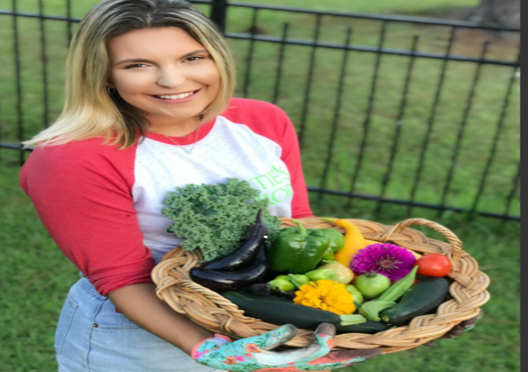
From the United States, young Katie
Stagliano grew a cabbage grand,
Starting Katie’s Krops to plant
vegetable gardens across the land.
Her youth movement cultivates fresh produce
for a healthy bite,
Feeding thousands of hungry families and making
futures bright. |
|
|
|
2. William Kamkwamba (Malawi) - Moving Windmills Project 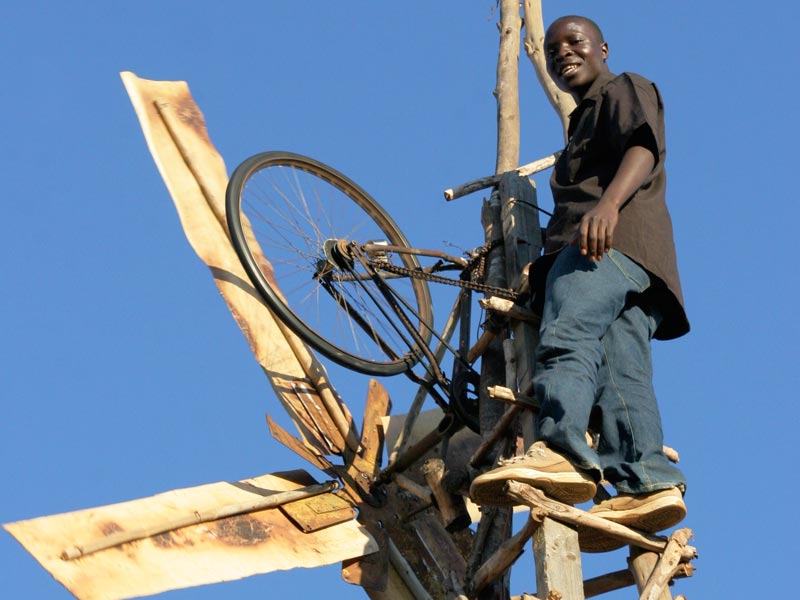
In Malawi’s severe famine, young
William Kamkwamba stood tall,
Building a scrap-wood windmill to power
crop irrigation for all.
Through Moving Windmills, he pumps
water to fields to combat drought,
Defeating hunger with innovation when farm
supplies ran out. |
|
|
|
3. Cris 'Kesz' Valdez (Philipines) - Championing Community Children (C3) 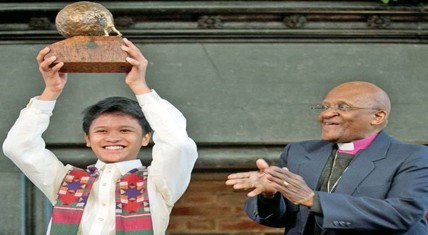
From the Philippines, young Cris
"Kesz" Valdez survived the slum street,
Then started Championing Community
Children so homeless peers could eat.
His team delivers Gifts of Hope packed with
warm meals and care,
Ensuring vulnerable kids find food and shelter
everywhere. |
|
|
|
4. Mohamad Al Jounde (Syria / Lebanon) - Gharsah School 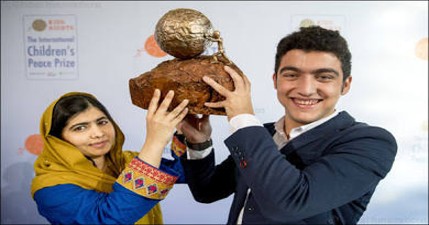
A Syrian refugee, young Mohamad Al Jounde built a haven of learning,Creating the Gharsah School in Lebanon while food supplies were yearning. He organized vital meal drives for displaced children in need, Combining basic nutrition with education to help youth succeed.
|
|
|
|
5. José Adolfo Quisocala Condori (Peru) - Banco Cooperativo del Estudiante Bartselana 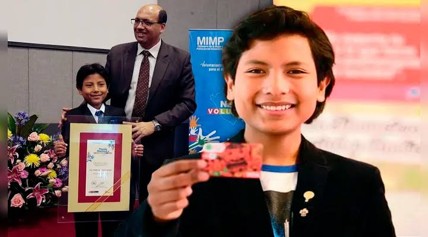
In Peru, young José Adolfo built an eco-bank called Banco Estudiantil,Where kids trade collected recyclable plastic for money and a hot meal. His system empowers youth to buy groceries and keep hunger at bay, Turning waste into food security and financial savings every day.
|
|
|
|
6. Kehkashan Basu (United Arab Emirates) - Green Hope Foundation 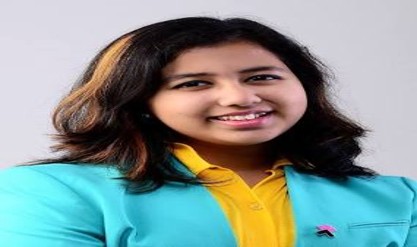
From the UAE, Kehkashan Basu launched Green Hope Foundation wide,Planting fruit trees and sustainable crops with youth nationwide. She trains young farmers and feeds impoverished regions in every zone, Ensuring clean food security and sustainable harvests are grown.
|
|
|
|
|
|
7. Felix Finkbeiner (Germany) - Plant-for-the-Planet 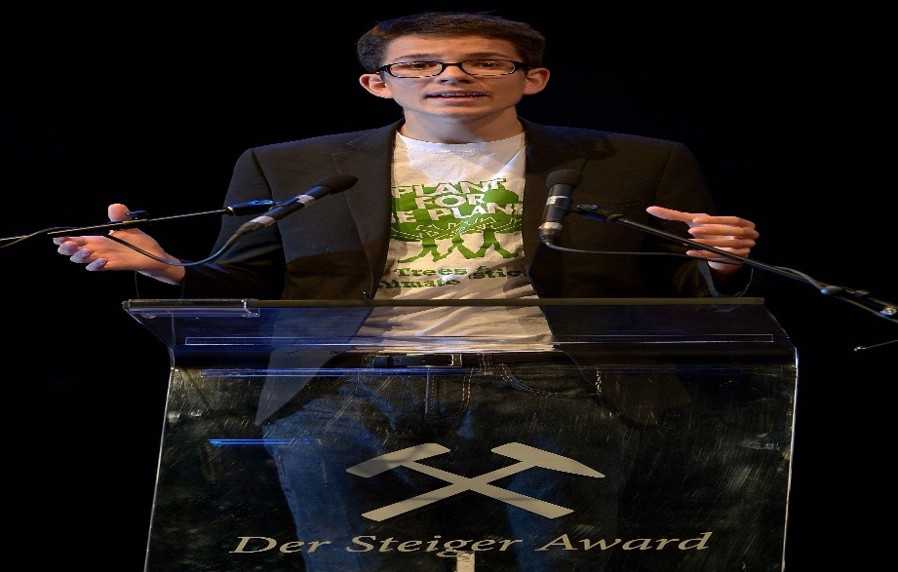
In Germany, young Felix Finkbeiner planted trees across the Earth, Creating Plant-for-the-Planet to give agroforestry new birth. By planting fruit-bearing forests, he helps local soil and farming thrive, Boosting community food security so families can survive.
|
|
|
|
8. Pavel Abramov (Russia) - Kind Little Brush 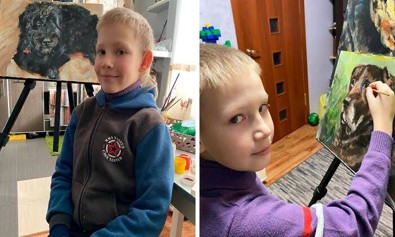
In Russia, young Pavel Abramov paints pet portraits with great skill, Trading art for pet food and farm supplies to pay a shelter's bill. Through his Kind Little Brush initiative, no stray animal goes unfed, Bringing food relief through creative art where kindness is spread.
|
|
|
|
9. Neha Gupta (United States / India) – Empower Orphans 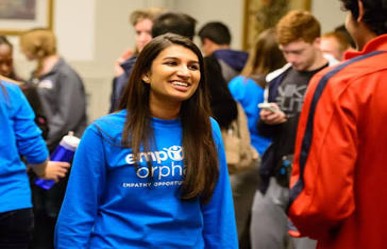
Young Neha Gupta founded Empower Orphans to support children in distress, Providing nutrition drives, clean water, and aid to ease their stress. Her efforts deliver thousands of healthy meals across the land, Lifting orphaned youth from hunger with a compassionate hand.
|
|
|
|
|
|
The Final Piece by Inayah Fathima Faeez
|
|
|
|
“These are beautiful,” I told the shopkeeper, holding the leather-bound volumes. “But rare."
The shopkeeper handed me my change. “This old woman walked in and gave me these. She
lives in the little yellow house right behind the shop. She claimed to be the author’s
daughter.” My eyes wandered to the yellow house. Its walls were strangled with some stubborn ivy. I
eyed the spines of the books. E. Gentlewood, it said, in worn gold lettering. I’d found myself
in the shop repeatedly hunting for his other works. The stairs wound precariously up to the little house overlooking the street. I knocked. A
wrinkled face peeked out before the door clicked and opened. “Are you…Gentlewood’s daughter?” “I am. Come in, please.” The house was cluttered but felt precious in its warmth. I told the woman that I’d loved E.
Gentlewood’s works as she fixed a cup of tea for me. “I can’t find it anywhere...….did he
publish anything else? I’m through with five volumes of his.” “He? E. Gentlewood. Erena Gentlewood.”
I felt my face burn. “Oh, I’m…I’m so sorry, I-I thought-“ She laughed. “The name provided its desired purpose. Erena Gentlewood had two choices. To
muffle her voice and let it die away. Or to hide it behind the guise of a masculine name. She
was one of the most talented females of her time. So much success and glory could have
arrived at her doorstep, but it all came down to her gender. She couldn’t bear the idea of
letting her words rot. She opted for the second option. When her father found out, she never
wrote again. These were the last few copies that I collected from what remained of the
ancestral house.” I felt the crushing weight of privilege on my shoulders, all the luxuries I had, all the channels
through which I could express myself, that had come through the sacrifices of these women
whose names would never be known. “I think you deserve this,” the woman said, reaching for a stack of weathered papers tied
together sitting on the desk behind her. "It never saw the light of day. You should have it." The new book looked delicately beautiful. Erena Gentlewood, the silver script on the spine
said. To think that I had been given the honour of cupping the flame of her passion and
delivering it to the world stopped me in my tracks. I smiled at her name gracing the spine,
holding within the femininity that had hindered her from being seen as an equal to the greats
among the men, proudly decorating the final piece. |
|
|
|
|
|
The Summer Rule Book Nobody Gave Me by Advika Gupta
|
|
|
|
Summer has a funny way of convincing us that ice cream counts as a food group and that lying
under the fan all day counts as exercise.
It doesn’t.
But staying healthy in summer doesn’t have to mean giving up all the fun. Think of it as learning
the secret rules of the season.
Rule #1: Befriend your water bottle.
Don’t wait until you’re super thirsty to drink. Carry water when you’re outside and take regular
sips, especially after running, playing or exercising. On really hot days, water-rich foods like
watermelon, cucumber and oranges can help too.
Rule #2: Give your plate some colour.
Summer is basically an invitation to eat a rainbow. Add fruits and vegetables, whole grains,
beans, eggs, dairy or other protein-rich foods to your meals. Your body needs nutrients such
as calcium for strong bones, iron for healthy blood, vitamin C for your immune system
and vitamin D for bones and muscles. Most of these can come from ordinary foods, no
mysterious “superfoods” required.
Rule #3: The sun is your friend… with boundaries.
Enjoy the sunshine, but protect your skin and eyes. Wear light, comfortable clothing, a hat and
sunglasses when appropriate, seek shade during the strongest sunlight and use sunscreen as
directed by a parent or guardian. If you feel dizzy, weak, unusually tired or unwell in the heat,
stop playing and tell an adult.
Rule #4: Move, but make it fun.
Cycle. Swim. Dance terribly in your bedroom. Play football until someone loses the ball. Your
body doesn’t care whether exercise looks impressive, it just likes being moved.
And finally, Rule #5: Sleep.
Late-night movies are tempting. Your body still needs its rest.
Because a great summer isn't just about collecting the most memories.
It’s about having enough energy to make them. |
|
|
|
|
|
|
|
|
|
Renewable Energy & Data Centers by Mohammed Hamdan Siddiqui
|
|
|
|
|
|
|
|
|
|
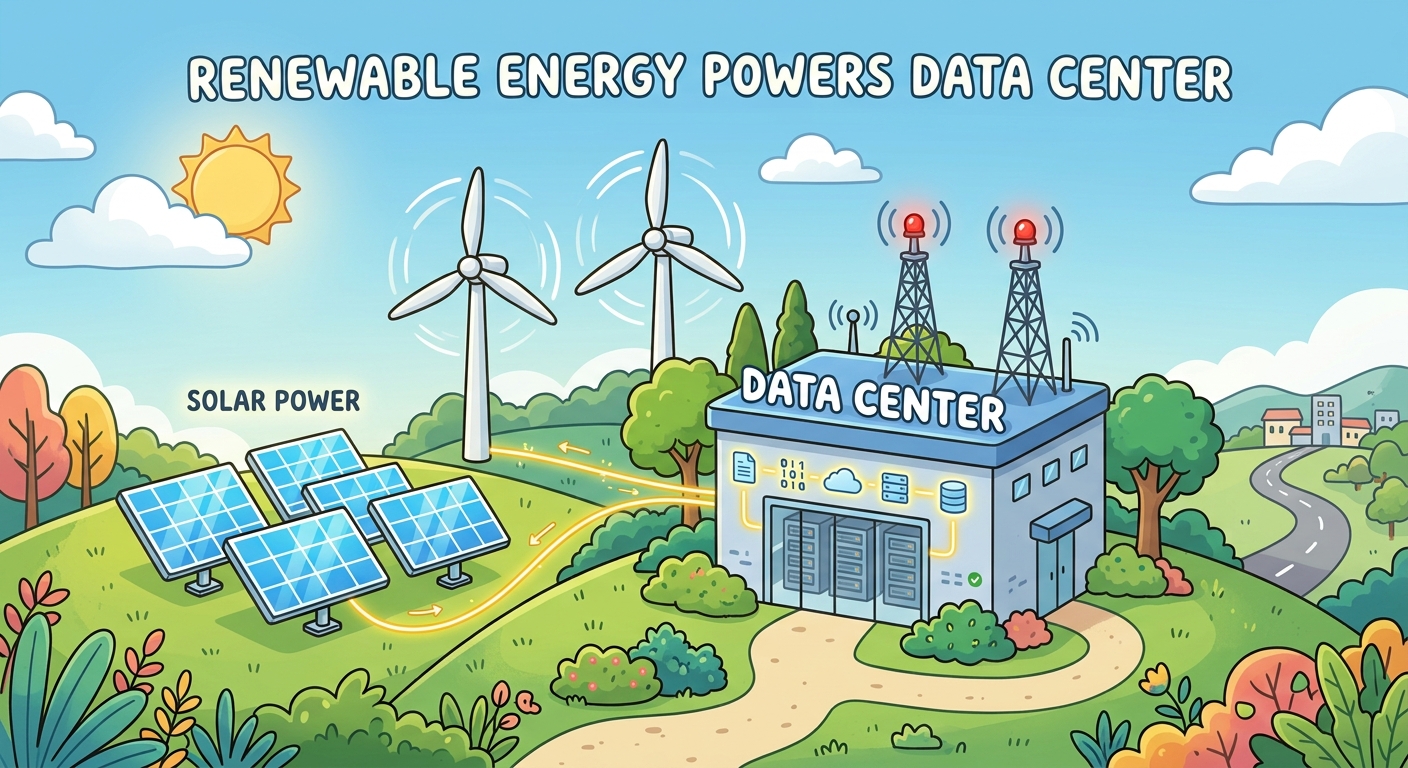
Sustainable Development Goal 7 (Affordable & Clean Energy) aims to ensure worldwide access to affordable, clean and reliable energy. As the digital world grows, infrastructure surrounding data centers have become a primary focus in achieving this goal. The backbone of AI and cloud computing, data centers consume vast amounts of electricity, showcasing a major threat and unique opportunity for global transition to cleaner forms of energy.
On one hand, data centers are massive, power hungry beasts running 24/7, causing power grids to strain and forcing heavy reliance on regional grids and backup systems that still use coal or gas. This non-stop requirement for a certain ‘minimum’ or ‘baseline’ energy is delaying or completely stopping us from removing old power plants and replacing them with newer, more sustainable ones.
However, the tech sector has become a reliable, long-term catalyst for renewable energy growth. Data centers operators are some of the world’s largest corporate buyers of renewable energy. These finance the construction of more clean energy harvesters such as solar panels or wind turbines!
Furthermore, many data centers are pushing past annual ‘carbon offsets’ and heading straight for ‘24/7 Carbon-Free Energy’! To conclude, while data centers present heavy strain on global energy and accelerate demand, their technological innovation, financial power, and future goals are essential powerhouses in achieving the dream of SDG 7!
|
|
|
|
Pause & Play! by Madiha Javed
|
|
|
|
|
|
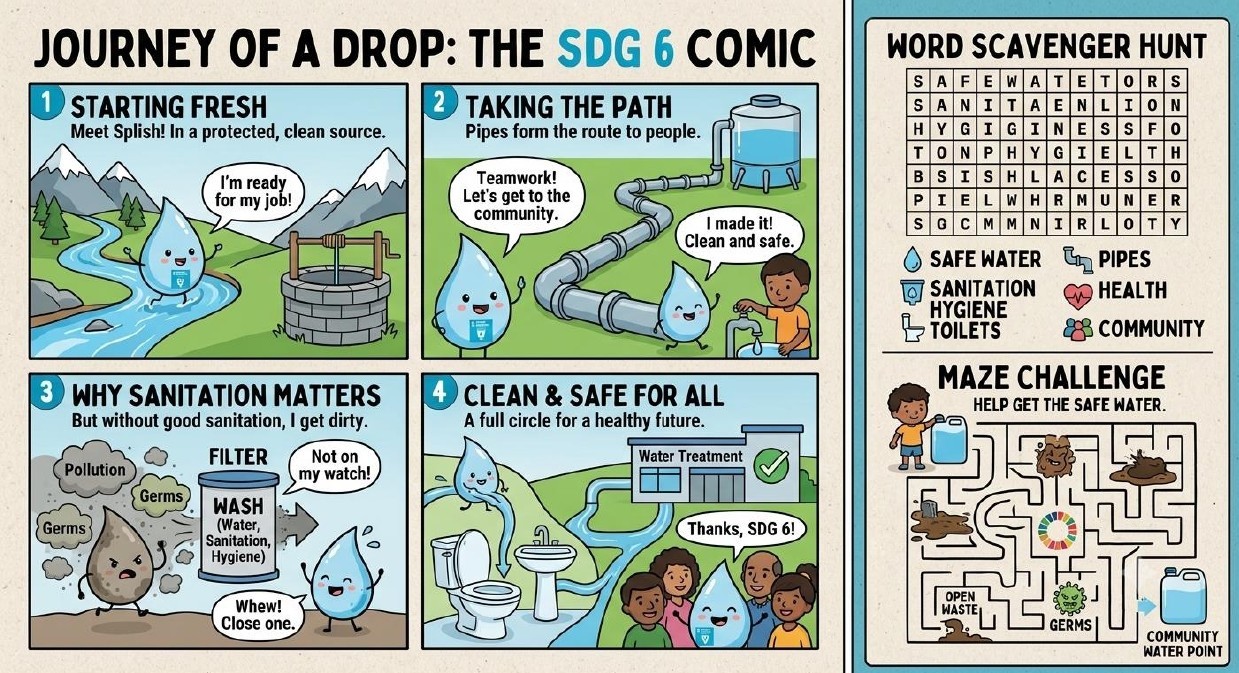
AI-generated illustrations |
|
|
|
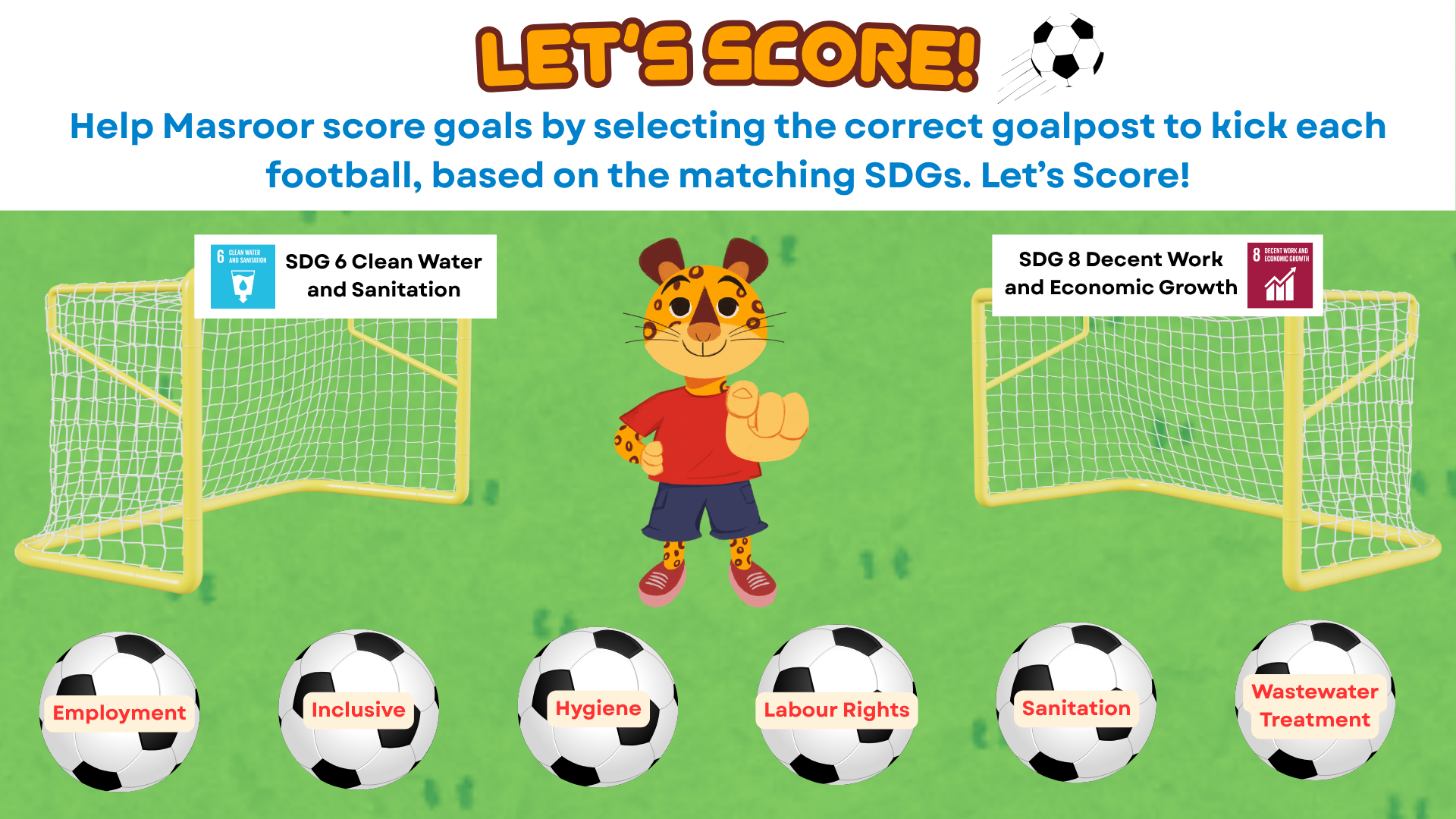
Ready, Set, Score! by Sophie Dias |
|
|
|
|
|
|
|
|
|
Young Voices Spotlight by Nuha Danish
|
|
|
|
Learn the step-by-step process of crafting a sustainability comic strip from our Design Intern, Nuha.
Tap play to watch the video: |
|
|
|
|
|
|
|
|
|
|
|
|
|
|
|
|
|
|
|
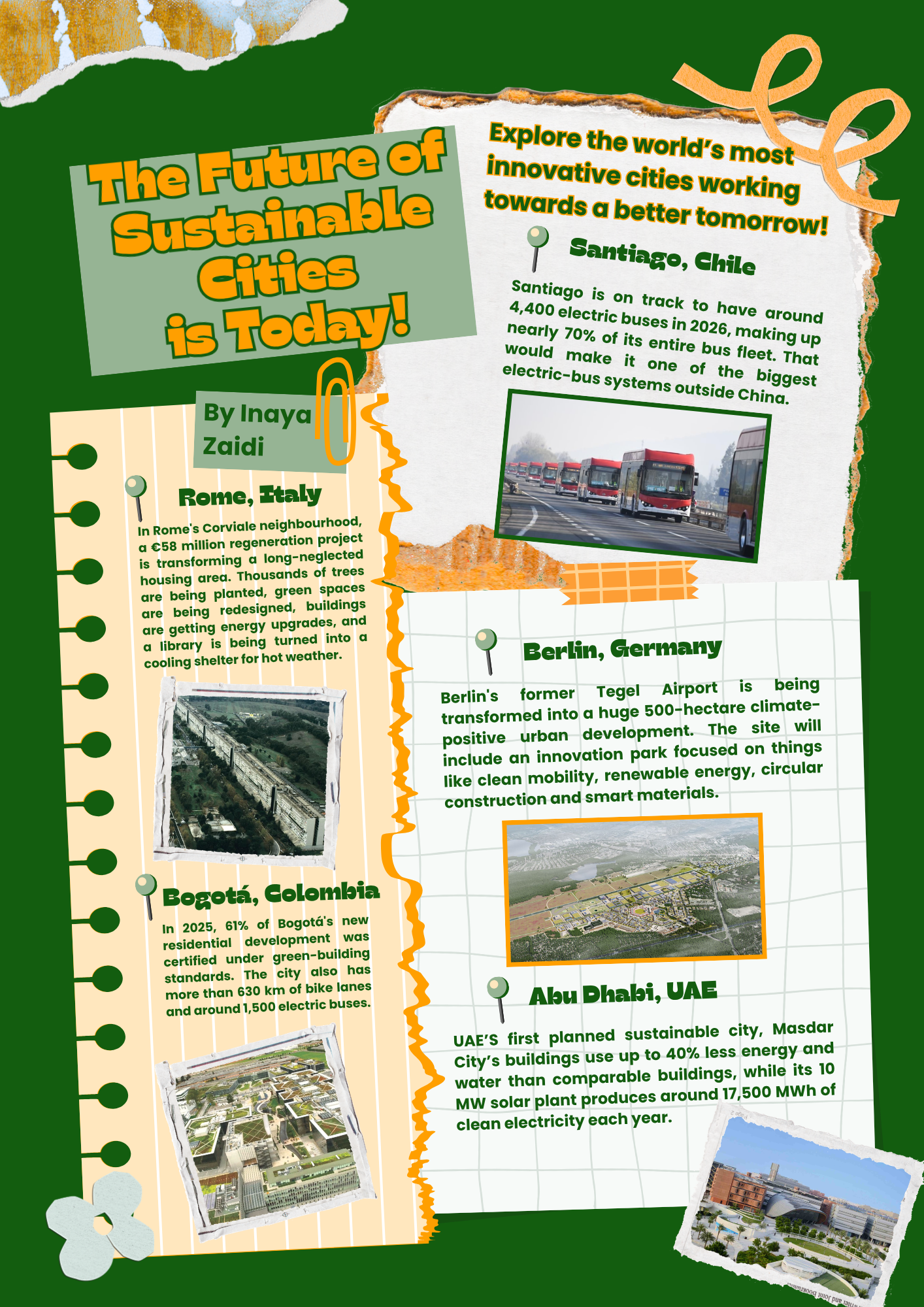
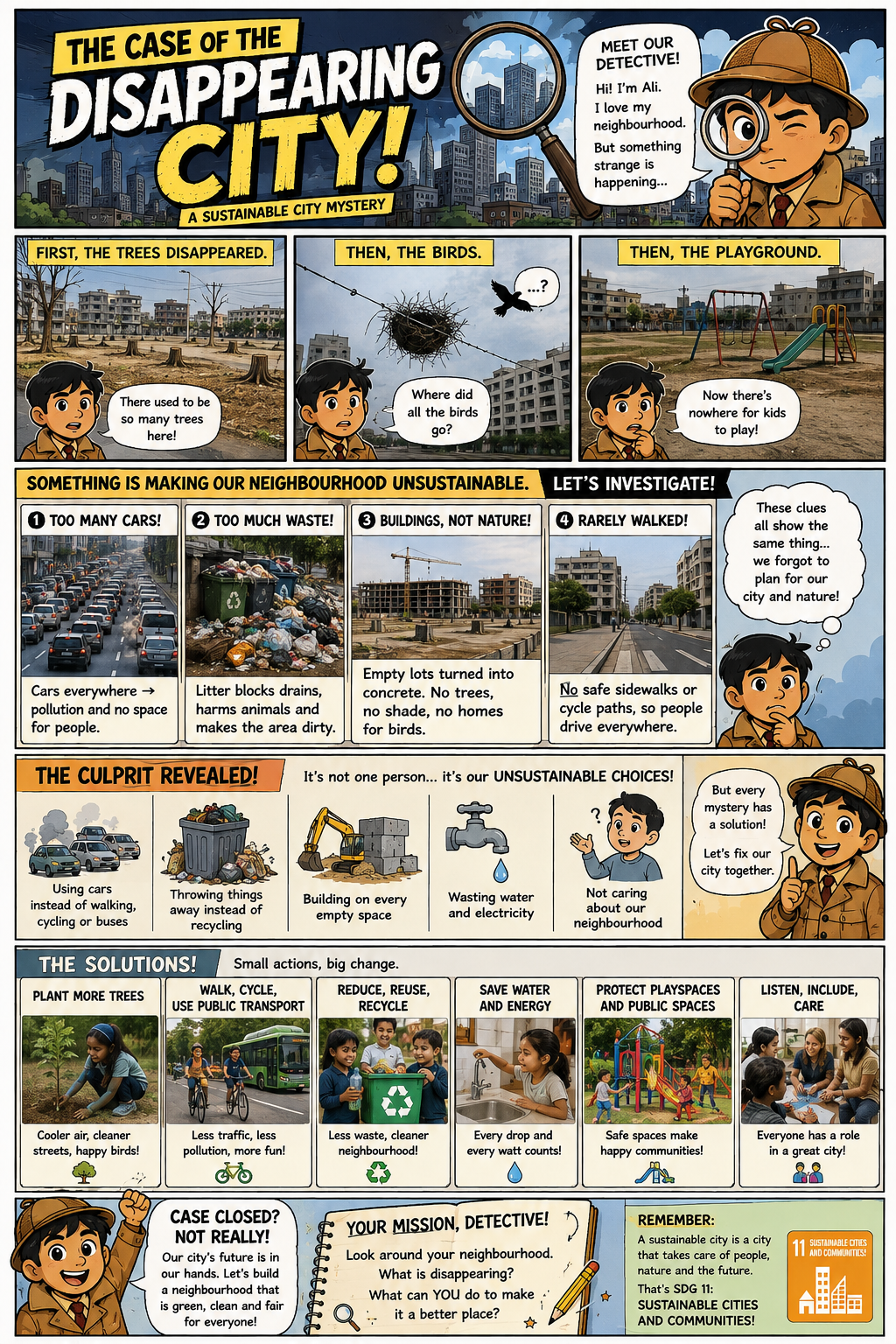
The Future Of Sustainable Cities by Inaya Danish Zaidi |
|
|
|
|
|
|
|
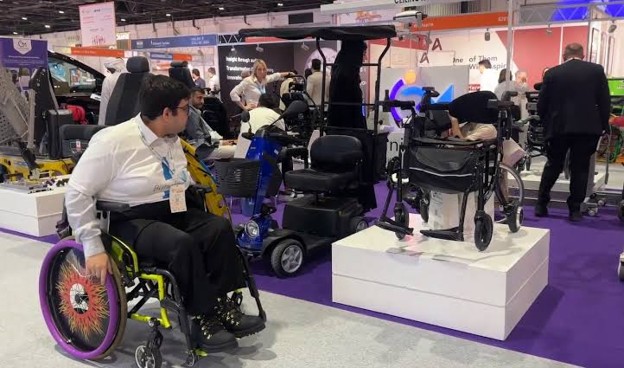
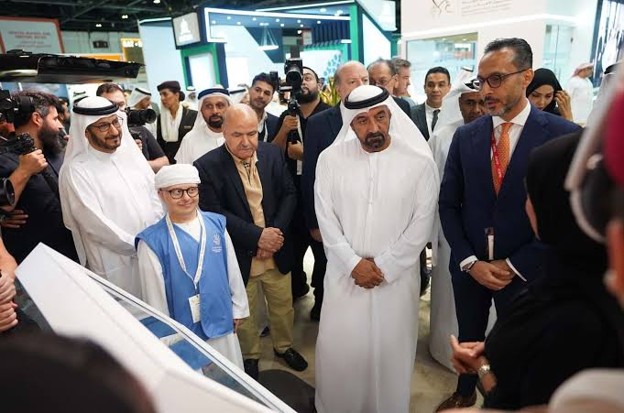
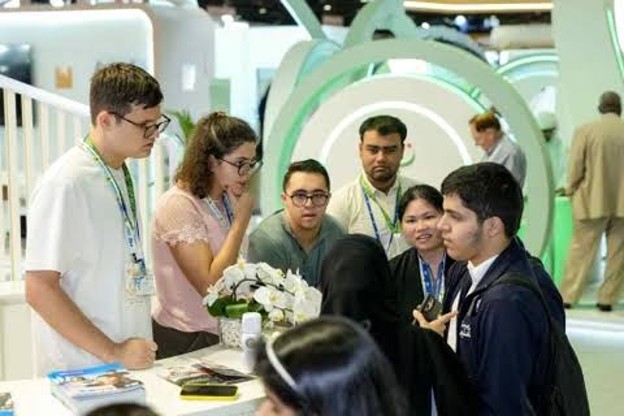
AccessAbilities Expo 2026: Achieving SDG 10 by Sashini Manikandan
|
|
|
|
|
|
In a world racing to invent the next big thing, one event asks a different question: Who are we
leaving behind?
AccessAbilities Expo 2026 answers that question by proving that the best innovations are the
ones that include everyone.
Returning to the Dubai World Trade Centre from 19 to 21 October 2026, the expo will bring
together global innovators, healthcare experts, educators, government organizations, and
technology leaders to showcase solutions designed to improve the lives of People of
Determination. The event will highlight how creativity and technology can transform challenges
into opportunities.
From advanced mobility devices and rehabilitation tools to inclusive education solutions and
accessible digital technologies, the expo will demonstrate how innovation can create a society
where everyone has the chance to participate fully. By focusing on independence, accessibility,
and empowerment, AccessAbilities Expo reflects the UAE’s commitment to building an
inclusive community.
Visitors will have the opportunity to experience hands-on demonstrations of assistive
technologies, attend expert-led conferences and workshops, and learn about the latest research
and developments in accessibility. The expo also encourages collaboration between innovators,
businesses, policymakers, and disability advocates, creating partnerships that help transform new
ideas into practical solutions for everyday life.
The event strongly connects with United Nations Sustainable Development Goal 10: Reduced
Inequalities, which calls for equal opportunities and inclusion for all members of society. More
than an exhibition, AccessAbilities Expo 2026 represents a movement towards a future where
ability is not defined by limitations, and where technology becomes a bridge connecting people,
possibilities and progress.
Looking ahead to the 2026 edition, the expo builds on the success of AccessAbilities Expo 2025,
which featured a wide range of innovative assistive technologies. Highlights included the Dot
Pad X, a refreshable tactile display that converts digital texts and graphics into Braille and tactile
images for people with visual impairments, AI-powered wearable devices for navigation and
health monitoring, GPS-enabled fall detection trackers for enhanced safety, advanced prosthetic
and orthotic solutions, rehabilitation robotics, smart home accessibility systems, and
augmentative and alternative communication (AAC) devices. These innovations demonstrated
how technology can enhance independence, improve accessibility, and create more inclusive opportunities for People of Determination. By showcasing practical solutions that address real-
world challenges, the 2025 expo set the stage for even more groundbreaking developments
expected at AccessAbilities Expo 2026. |
|
|
|
|
|
|
|
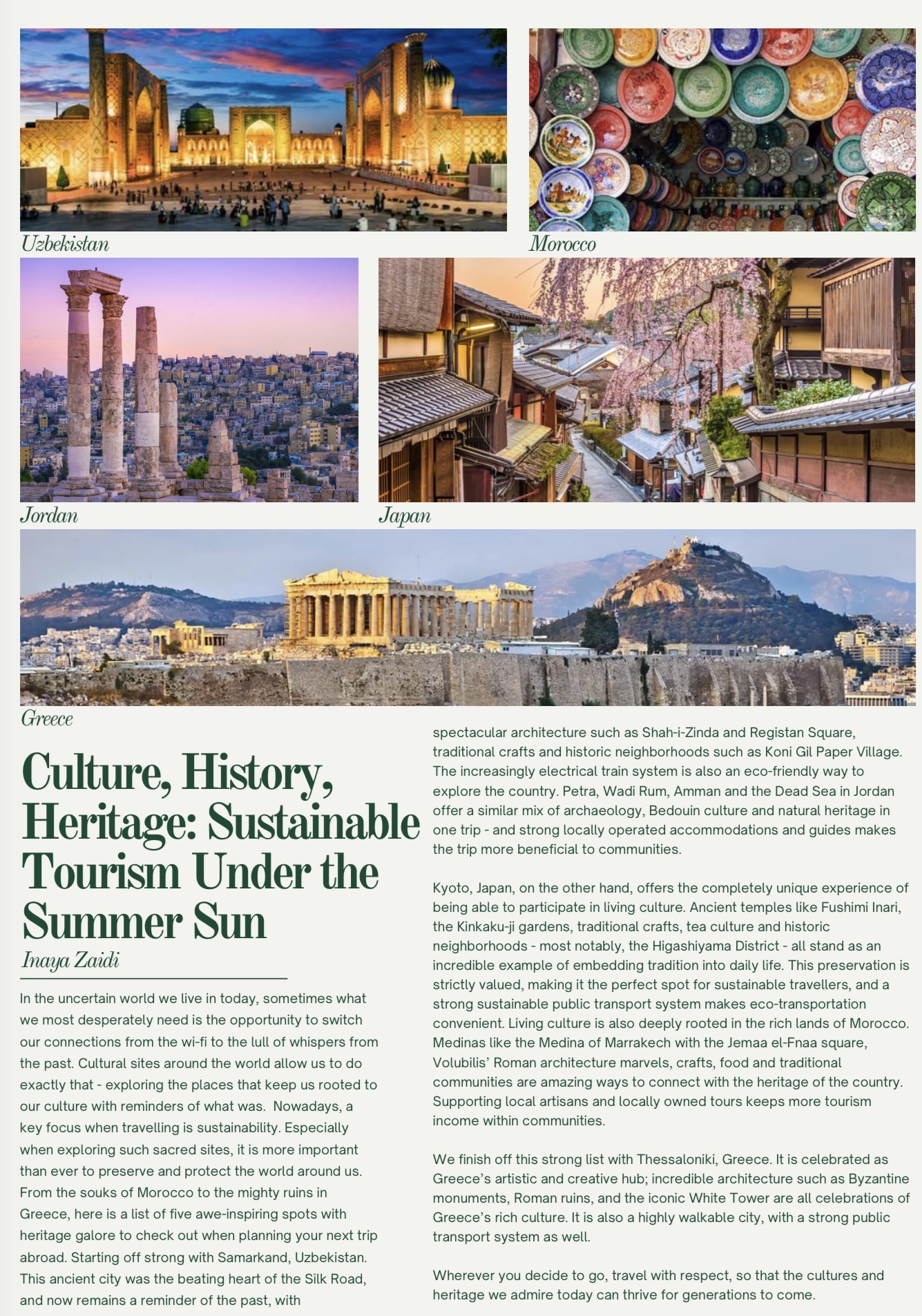
Culture, History, Heritage: Sustainable Tourism Under The Summer Sun by Inaya Danish Zaidi
|
|
|
|
|
|
|
|
Why Should We Waste Less Food? by Sanvika Sandeep |
|
|
|
Food Belongs on Plates, Not in Bins
Have you ever left food on your plate because you took more than you could eat? It may seem
like a small amount, but food waste becomes a big problem when many people do the same
thing.
Growing food requires soil, water, energy and the hard work of farmers. Food must then be
packed, transported and prepared before it reaches us. When we throw it away, all these
resources are wasted too.
Children can help by taking smaller portions and asking for more only if they are still hungry.
Leftovers can be stored safely and eaten later. Families can also check what they already have
before buying more groceries.
Reducing food waste does not require a huge change. It begins with respecting the food we
receive and taking only what we need. A clean plate can be a small but meaningful step towards
protecting our planet. |
|
|
|
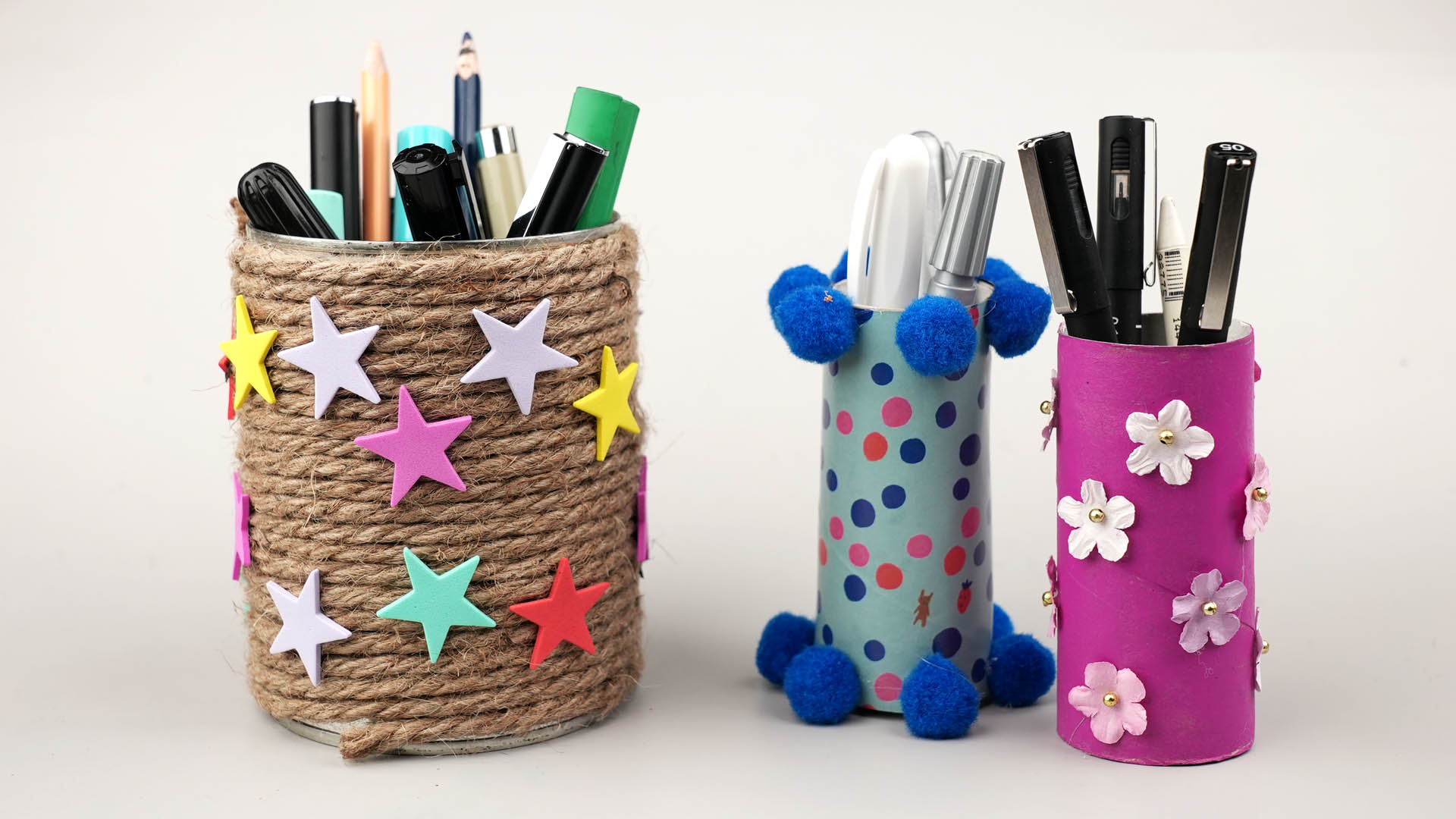
Make a Recycled Pencil Holder You will need: •One clean empty cardboard container •Scrap paper or old magazine pages
•Glue •Child-safe scissors •Colouring materials |
|
|
|
Ask an adult to help trim the container. Cover it with reused paper and decorate it. Your old
container is now a useful pencil holder!
Remember: Before throwing something away, ask, “Can I use this again?” |
|
|
|
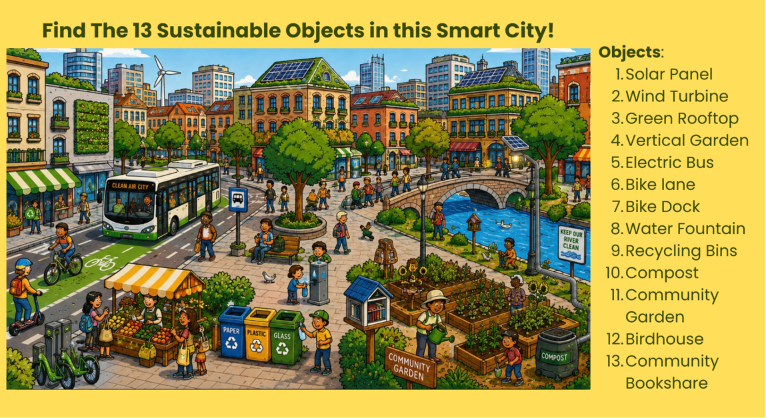
Quick Quest! by Inaya Danish Zaidi
|
|
|
|
|
|
|
|
|
|
Do We Really Need Something New? by Sanvika Sandeep
|
|
|
|
Think Before You Buy
New toys, clothes and school supplies can be exciting. However, buying something new is not
always necessary, especially when we already own something that works perfectly well.
Every product requires materials and energy to make. It also needs packaging and transportation
before reaching a shop. When products are quickly thrown away, they add to the growing
amount of waste around us.
Before buying something, ask yourself three questions: Do I really need it? Can I repair or reuse what I already have? Can I borrow or exchange it with someone?
Choosing not to buy an unnecessary item does not mean missing out. An old pencil case can be
decorated, a broken toy can be repaired, and books can be exchanged with friends.
SDG 12 teaches us to become thoughtful consumers. The smartest choice is not always buying
something new, it is making the best use of what we already have. |
|
|
|
Look around your home or classroom. Can you find: ☐ A light left on in an empty room ☐ Paper used on only one side
☐ Food that may be wasted
☐ A leaking tap
☐ A reusable item placed in the bin
☐ A toy, book or uniform that could be donated
Choose one problem and think of a simple solution. My waste problem: __________________________ My solution: _______________________________ |
|
|
|
|
|
Monday: Carry a reusable water bottle. Tuesday: Use both sides of a sheet of paper. Wednesday: Finish the food on your plate. Thursday: Repair or reuse one old item. Friday: Say no to one unnecessary plastic item. Saturday: Donate or exchange a book, toy or piece of clothing. Sunday: Teach someone one thing you learned about SDG 12. |
|
|
|
Small Stories, Big Change by Inaya Danish Zaidi
|
|
|
|
|
|
AI-generated illustrations |
|
|
|
SDG 9 Eco-futurism: a Philosophy for a Better Tomorrow by Joshua Melwin |
|
|
|
|
|
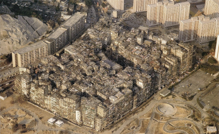
This is Kowloon City, which, before it was demolished, was considered one of the most polluted areas in the world. This claustrophobic labyrinth of decaying concrete festered with filthy alleys choked with rubbish and a suffocating lack of sunlight. |
|
|
|
Is this how all modern cities will end up like one day? Is there truly no other way? What if I told you there was a way, a different philosophy towards a better, more positive future? Eco-Futurism. Eco-futurism recognises the consequences of decades of climate change and believes we can live in harmony with both technology and nature. In fact, a key pillar of Eco-Futurism is using technology to better the environment and being mindful. I believe SDG 9, Industry, Innovation and Infrastructure, shares some of the same pillars regarding technology and resilient infrastructure being crucial to our path forward.
There have been some fascinating developments that follow this exact philosophy in the world; for example, Almere, a city in the Netherlands, was designed with this in mind. It has twice the number of green spaces of any other city in the Netherlands, with a district where 50% of land is dedicated to local urban agriculture and green buffer zones.
|
|
Singapore also showcases some infrastructure that blends technology seamlessly with the environment. The “Supertrees” in Singapore are a masterpiece of engineering, performing multiple tasks all at once, being covered in over 200 species of exotic plants, and also improving the air quality as trees do. They double as a means of generating power as they also contain solar panels; furthermore, they serve to control airflow as well as collect rainfall. |
|
|
|
Even the UAE has existing ones, and some plans that follow this philosophy take Masdar City. It combines traditional Arab architecture, which uses the wind to naturally keep cool, along with technology like solar panels to greatly reduce power demands. Dubai plans on taking a larger-scale approach to this; as of the Dubai 2040 Urban Master Plan, the Dubai green spine is a massive project that aims to turn Sheikh Zayed Road into a lush ecosystem featuring over a million trees, urban farms, and extensive pedestrian and cycling routes. As well as the main mode of transport being an electric tram which relies on a massive solar array, the project is likely to reduce emissions by 1 million tonnes. Like Masdar City, it is a quintessential example of eco-futurism, demonstrating how technology and nature can work hand in hand to make the world a little more sustainable. |
|
|
|
|
|
|
|
|
|
Book Review: The Hidden Life of Trees by Peter Wohlleben by Siddhant Seth
|
|
|
|
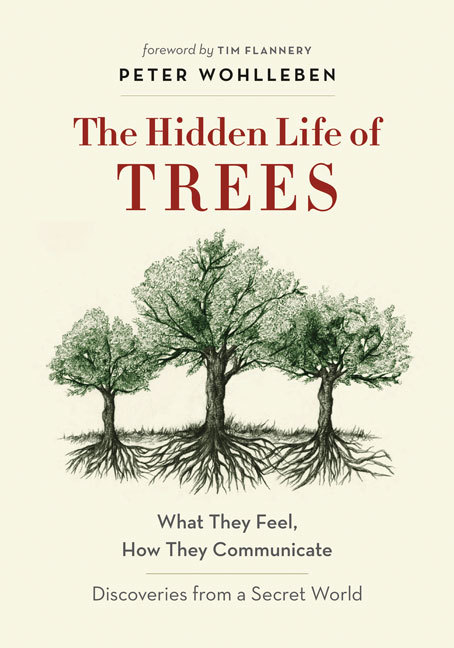
Before reading The Hidden Life of Trees, I had always viewed forests merely as a collection of
trees rather than as a complex, interconnected ecosystem. Peter Wohlleben completely
changed this perspective of mine. Through fascinating scientific observations, he revealed
how trees communicate and protect one another all while adapting to their surroundings. |
|
|
|
What I found most striking was the idea that the health of an individual tree can depend on the wider forest community. Wohlleben presents forests almost as a social network, connected through their roots and underground fungal systems. His statement, “A tree can be only as strong as the forest that surrounds it,” encapsulates one of the book’s key messages. It made me reconsider how easily we, as humans, overlook the intricate relationships that sustain life in nature. The book, which I recommend for readers aged 12 and up, also connects strongly with SDG 15 – Life on Land, particularly its focus on protecting forests, and terrestrial ecosystems. I found the book both informative and thought-provoking. Although some scientific explanations were detailed, they made the subject more engaging rather than overwhelming. Thus , it is indeed a thoughtful read that will leave you looking at nature a little differently. |
|
|
|
|
|
Good News by Jaivardhan Nawani |
|
|
|
The SDGs are usually discussed as targets for the future, and global media is concentrated with a deluge of
everything going wrong. The segment Good News helps you to keep developments across climate, oceans,
biodiversity, institutions and global cooperation in sight, helping us all see the better picture instead of
just the bigger one.
SDG 13 | The year clean energy stopped looking alternative In 2025 alone, the world added 692 GW of renewable-energy capacity, with renewables accounting for
more than 85% of all new power capacity installed globally. Solar farms, wind parks and storage systems
are no longer side projects sitting beside the conventional energy system. They are increasingly becoming
the energy system itself. With investment in the first 6 months of FY26 reaching roughly $2.2 trillion,
climate action is now financially backed by over 13,900 companies, giving it the might to rise against age-
old institutions.
SDG 14 | The ocean gained borders without drawing any For decades, much of the ocean existed in an awkward legal space: belonging to everyone yet protected by
no one. That changed in January 2026, when the High Seas Treaty entered into force. Countries can now
create protected areas in international waters and demand environmental assessments for activities that
threaten marine ecosystems. Alongside new restrictions on destructive fishing subsidies, the oceans are
slowly gaining something conservationists have long lacked, the ability to fight for marine life bound by
legality.
SDG 16 | Progress that makes the front page Peace and institutions rarely produce spectacular breakthroughs. However, since 2015, the global homicide
rate has fallen by roughly 14%, while access-to-information legislation now exists across 141 countries.
Independent human-rights institutions have also expanded, justifying the sacrifices of hundreds of
journalists and activists across the world.
SDG 17 | Development finance begins experimenting Global partnerships are becoming less about declarations and more about financial engineering. Through the
Sevilla Platform for Action, more than 130 initiatives are attempting to redesign how sustainable
development is funded. New mechanisms include Amazon-linked bonds, debt-for-development swaps and
financing partnerships between governments, banks and international institutions. These changes make it
easier to sell debt to more accountable organizations, and mobilize change more efficiently. |
|
|
|
|
|
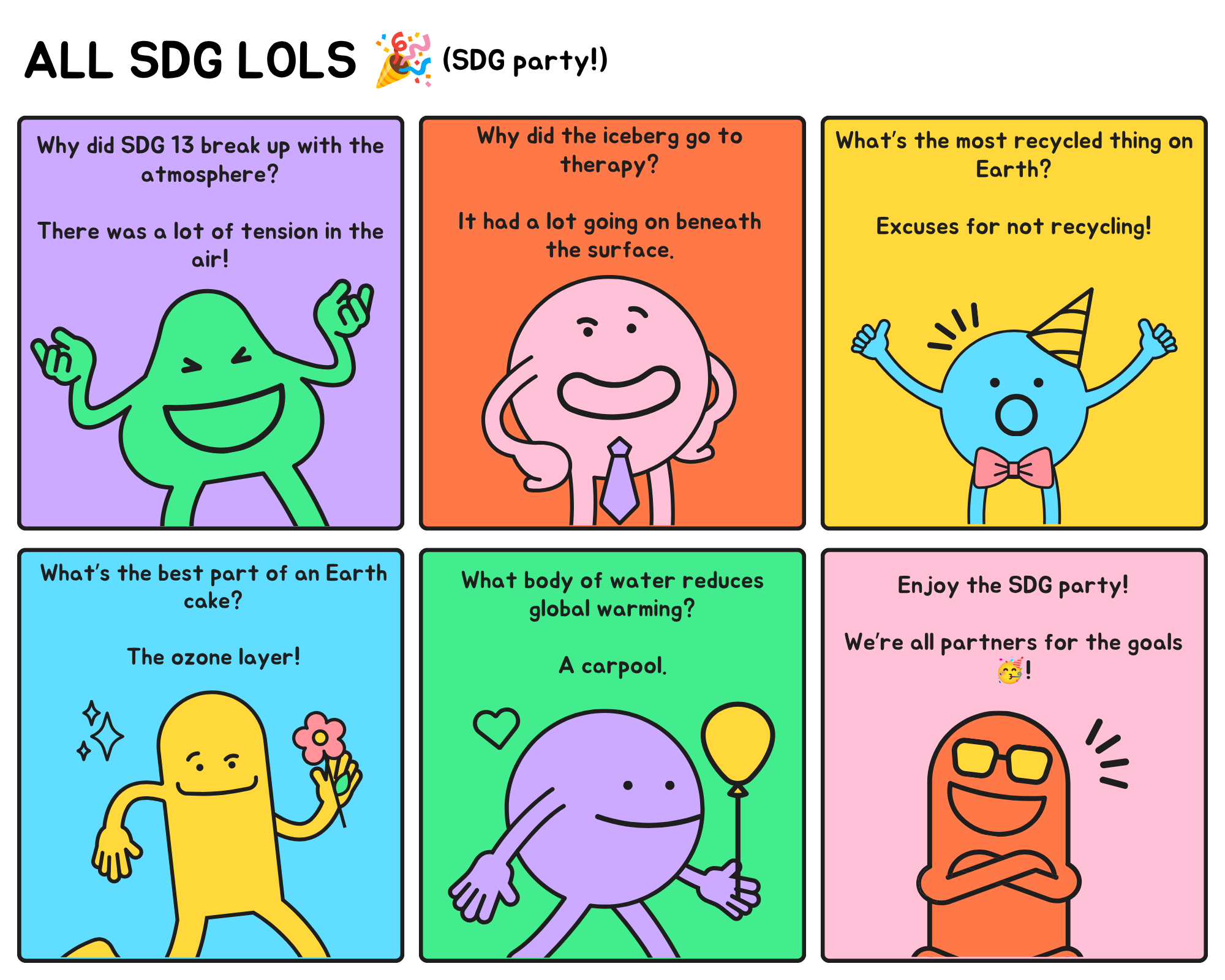
SDG LOLs by Mohammed Hamzah Siddiqui Resident Eco-median
|
|
|
|
|
|
|
|
|
|
|
|
|
|
|
|
|
|
|
|
|
|
|
|
|
|
|
|
AI-generated illustrations |
|
|
|
|
|
AI-generated illustrations |
|
|
|
|
|
|
|
|
|
|
|
|
|
|
|
|
|
|
|
|
|
|